Decobra: A Timeless Serif Font for Handmade Creations
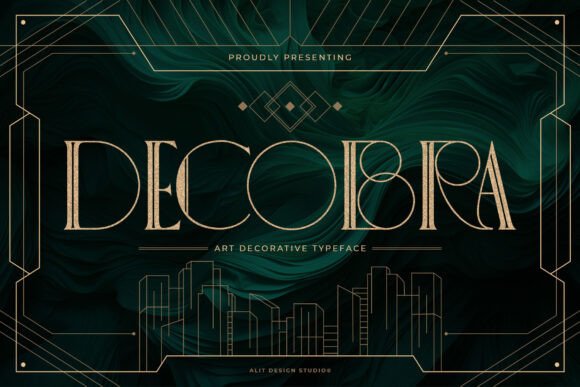
I was designing a set of candle labels the other day, and something about the text just didn’t feel right. The font I had chosen felt too modern, too clean for the vintage-inspired glass jars I was working with. Then I stumbled across Decobra, and it was like finding the perfect piece of the puzzle. This Art Deco typeface has a charm that’s hard to put into words—it’s elegant, bold, and full of character.
Decobra is a serif font that carries the spirit of the 1920s and 1930s, but with a fresh, modern twist. It balances dynamic thick and thin strokes in a way that feels both refined and powerful. When I first saw it, I knew it would be ideal for anything from wedding invitations to boutique packaging. It doesn’t shout, but it definitely commands attention.
Bringing Decobra to Life on Real Products
I started by testing it on a few small label mockups. I printed out a sample of “Handcrafted Candles” in Decobra and placed it on a white label. The contrast was striking. The thick strokes gave it weight, while the thinner lines added a sense of movement. It looked like it belonged on a luxury product, even though I was using it on something simple.
I used Decobra again for a set of birthday cards I was making. I paired it with a clean sans serif font for the body text, which helped keep the design balanced. The result was a card that felt both classic and contemporary—perfect for a range of audiences.
For seasonal products, like holiday tags and festive signs, Decobra adds a touch of sophistication. I recently used it for a farmhouse-style sign that read “Welcome Home,” and it fit perfectly with the rustic wooden frame. It wasn’t too ornate, but it still had that Art Deco flair that made it stand out.
Using Decobra for Packaging, Labels, and More
One of my favorite uses for Decobra has been in packaging design. Whether it’s for mugs, shirts, or tote bags, this font brings a level of quality that can elevate any handmade item. I’ve seen how a well-chosen font can influence the perceived value of a product, and Decobra definitely does that.
When creating product tags for my shop, I found that Decobra worked especially well for short phrases and names. It’s not meant for long paragraphs, but for titles, headings, and decorative wording, it shines. I used it on a set of fabric tags for my handmade candles, and customers noticed the difference. It gave the brand a more polished look without being overdone.
For digital printables, like planner pages and wall art, Decobra adds a unique visual appeal. I tested it on a printable wall art piece with a quote about creativity, and the font choice made the whole design feel more intentional. It’s a great option when you want your work to stand out in a sea of generic designs.
Readability and Practical Tips
While Decobra is visually striking, it’s also important to consider readability, especially when printing on small stickers or product labels. I found that using it at a slightly larger size and ensuring good contrast between the text and background helps maintain clarity. For cutting machines like Cricut or Silhouette, I recommend testing the font on a sample before finalizing your design to make sure it cuts cleanly.
Font pairing is another key consideration. I often pair Decobra with a clean sans serif font for body text or a simple script font for a more personal touch. This keeps the design cohesive while allowing each font to play its role effectively.
Choosing the Right Style for Your Project
Before using Decobra on any physical product or digital download, it’s essential to check the included styles, alternates, ligatures, swashes, weights, and file formats. I always verify that the font supports the languages I’m using and that I have the appropriate commercial license if I plan to sell any merchandise or templates.
Whether you’re designing greeting cards, wedding invitations, or boutique packaging, Decobra offers a versatile and stylish solution. Its blend of elegance and modernity makes it a valuable addition to any designer’s toolkit. And when you see it come to life on real products, it’s easy to understand why it’s become a favorite among crafters and creators alike.